What is the Difference Between Social Media Monitoring and Analytics
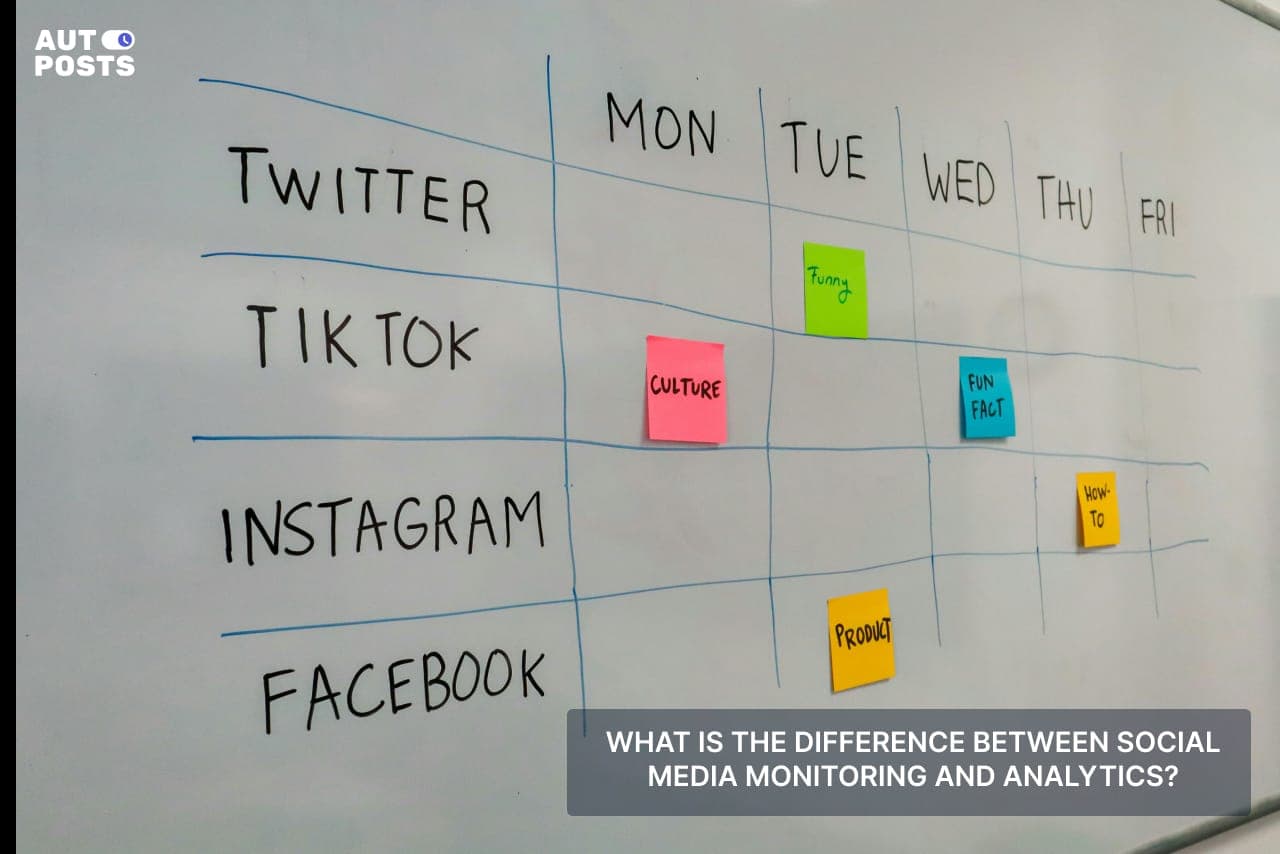
In recent times, the terms “Social Media monitoring” and “Social Media Analytics” have been used interchangeably.
This often raises the question for new SMMs;
Are both the same? What is the difference between social media monitoring and analytics?
In a nutshell, social media monitoring is about tracking conversations and mentions in real-time. While social media analytics digs deeper to find patterns, measure performance, and uncover insights over time.
Here’s a detailed guide to help you understand:
-
The difference between social media monitoring and analytics
-
When to use each
-
Which one is better for your campaign
Let’s start!
What is Social Media Monitoring?

Social media monitoring is all about keeping an ear to the ground.
It’s the real-time tracking of mentions, conversations, and brand shoutouts across platforms like X, Instagram, Facebook, LinkedIn, etc.
The main focus here is listening to what people are saying right now. If someone tweets about a bad experience with your brand, monitoring helps you spot it quickly so you can jump in and respond.
For example:
-
You see a customer mentioning your brand on Twitter.
-
You track how often your campaign hashtag gets used.
-
You catch a wave of complaints before they turn into a PR disaster.
And if you were thinking, how can social media managers track so much in such a short time?
The answer is social media management tools like AutoPost.io. These tools can help you track mentions, hashtags, and literally everything with just 1 glance.
All it takes is opening the tab, and you’re good to monitor the weekly/monthly or even daily analytics.
*What is Social Media Analytics?*
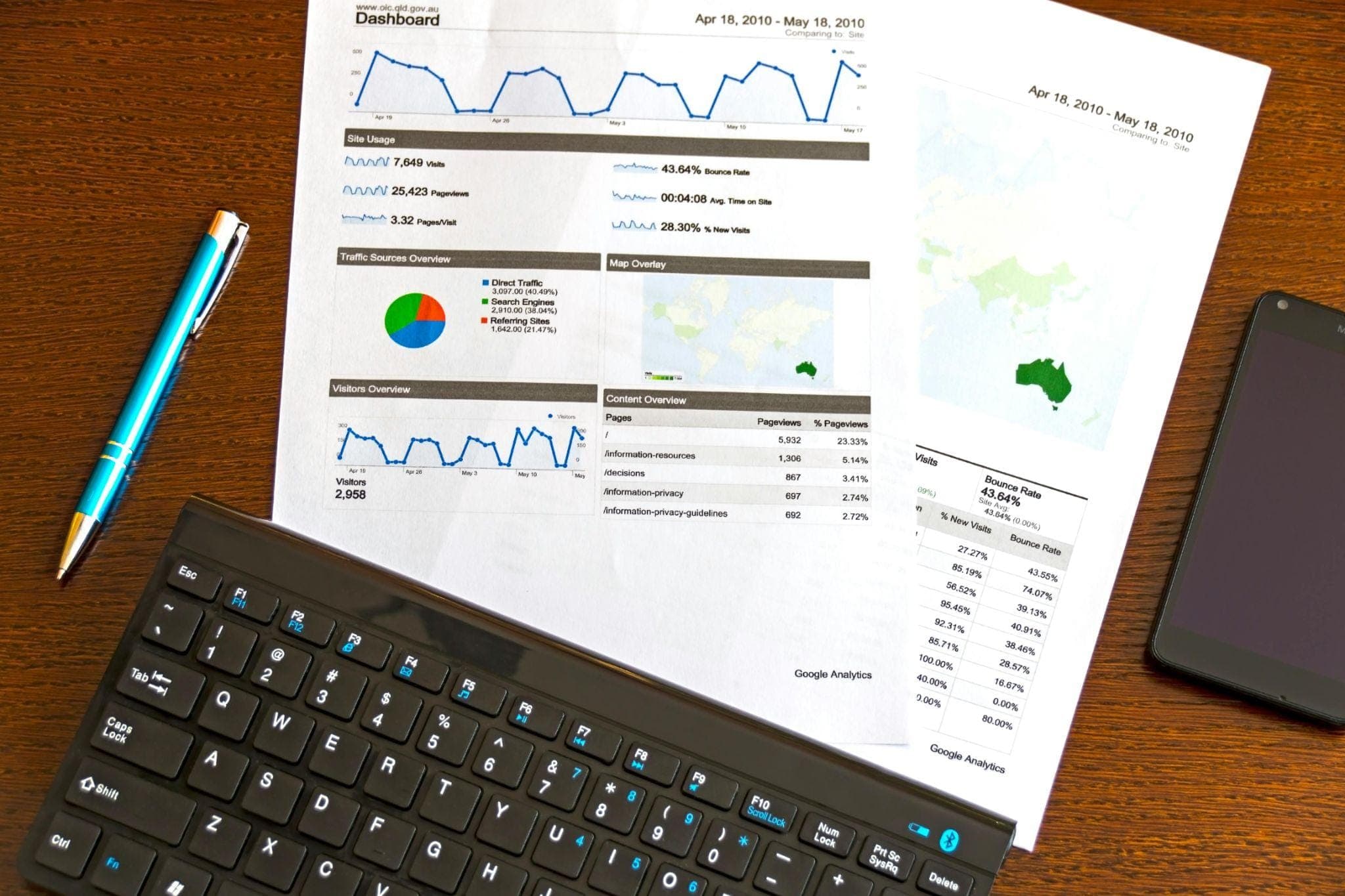
While monitoring is about catching what’s happening right now, social media analytics is about stepping back and looking at the bigger picture.
It’s the process of collecting, measuring, and interpreting social media data to find patterns and guide smarter strategies over time.
Instead of focusing on individual mentions or posts, analytics looks at overall trends.
It answers questions like:
Which type of content drives the most traffic? How is our engagement rate trending? Are we growing faster than our competitors?
For example, as a SMM, you can check analytics by:
-
Reviewing which posts brought the most website visits last quarter.
-
Tracking how your audience engagement rate has shifted over the past six months.
-
Comparing your follower growth against key competitors.
The Differences: Social Media Monitoring vs. Analytics
At a glance, social media monitoring and analytics can seem similar but when you line them up side by side, their differences become crystal clear.
Here’s a simple breakdown to help you quickly spot how they work differently:
| Aspect | Social Media Monitoring | Social Media Analytics |
|---|---|---|
| Timeframe | Real-time tracking of conversations | Historical and trend analysis over time |
| Purpose | Immediate action (respond, engage, solve) | Strategic planning and decision-making |
| Data Type | Qualitative (comments, sentiment, mentions) | Quantitative (traffic numbers, engagement rates, ROI) |
| Questions Answered | "What are people saying about us right now?" | "How are we performing over time and why?" |
| Focus | Individual mentions and immediate feedback | Overall performance patterns and growth metrics |
In short, monitoring keeps you informed moment-to-moment, while analytics helps you build a smarter strategy for the future.
The Smartest Brands Use Both for a Winning Social Media Strategy: Why You Should Too!

If you’re wondering whether you need social media monitoring or social media analytics, the truth is… You need both!
They’re two sides of the same coin.
Social media monitoring keeps your brand aware and responsive. It’s your early warning system and your live feedback channel.
Social media analytics, on the other hand, gives you the insights you need to grow, evolve, and stay ahead of the competition.
Here’s how both work hand-in-hand:
Coin Side A – How Monitoring Helps Brands Win
1. Protecting Brand Reputation
Social media moves fast. One negative tweet or viral TikTok can snowball in hours.
Monitoring lets you catch brand mentions instantly, so you can manage your image before things get out of hand.
2. Responding to Customers Quickly
Today’s customers expect near-instant replies.
Monitoring tools like AutoPost.io let you track mentions, DMs, and tags across platforms, so you can jump into conversations quickly and build loyalty that lasts.
3. Spotting PR Crises Before They Explode
Sometimes, what starts as a few frustrated comments can turn into a full-blown crisis.
However, social media monitoring helps keep an eye on sentiment and sudden spikes in negative mentions. Brands can act fast, sometimes even before the public notices there’s an issue.
Coin Side B – How Analytics Helps Brands Grow Smarter
1. Measuring Success Over Time
Likes and comments are nice, but real success is about trends.
Are you gaining followers month after month? Is your engagement rate improving?
Analytics turns your social media activities into measurable results you can track over time.
2. Optimizing Your Content Strategy
Through analyzing what posts perform best (and worst), you can fine-tune your content strategy.
Maybe your audience loves video more than static images. Maybe your morning posts flop, but evening posts take off.
Analytics are all about doing the smart work.
3. Proving Social Media ROI
If you're reporting to higher-ups, numbers matter.
Analytics gives you the data to show how social media drives website traffic, boosts brand awareness, generates leads, or even increases sales. It turns your efforts into clear, convincing proof.
1. Wendy’s 2017 “Nuggs for Carter” Viral Sensation
In 2017, a teenager named Carter Wilkerson tweeted Wendy’s asking:
“How many retweets for a year of free chicken nuggets?”
Wendy’s replied quickly, thanks to real-time social media monitoring with:
“18 million.”
The tweet went wildly viral, becoming one of the most retweeted tweets in history at that time.
When Should You Focus More on Monitoring vs Analytics?
Now that you know the difference between monitoring and analytics, a natural question comes up:
When should you focus more on one than the other?
Here’s the simple rule: It depends on the situation you’re facing.
Let’s break it down:
Focus on Monitoring If:
Monitoring is your go-to tool when things are happening right now.
If you’re launching a new product, running a time-sensitive campaign, or facing a potential PR crisis, you need real-time insights.
Examples:
-
Product Launch: You want to instantly catch customer reactions, feedback, bugs, or questions.
-
PR Crisis: Negative news spreading fast? Monitoring helps you jump into conversations early and control the narrative.
-
Event Management: Hosting a live event? Monitoring lets you engage with attendees by tweeting or posting in real-time.
In all of these moments, speed matters more than spreadsheets. Which is why monitoring is your best friend.
Focus on Analytics If:
Analytics becomes your best friend when you’re reviewing performance, planning, or proving results.
It’s less about what’s happening minute-to-minute and more about spotting bigger patterns and trends over weeks or months.
Examples:
-
Campaign Reviews: After your product launch, you want to know what worked and what didn’t. Analytics shows you which content drove traffic, which ads converted, and where you lost momentum.
-
Annual Strategy Planning: Before setting next year’s goals, you need to study engagement rates, follower growth, referral traffic, and conversion rates from the past 12 months.
-
Competitor Benchmarking: Want to see how you stack up against others in your industry? Analytics gives you the hard data you need to make smart moves.
The Plan of Action: Wrap-Up
At the end of the day, social media monitoring and analytics are two different metrics with the same goal: to boost your brand’s SM performance!
However, it’s quite fresh for SMMs to get overwhelmed with both these metrics and forget how to utilize them.
One rule of thumb is to first prioritize social media monitoring as it’s more daily driven, and keep the learning pace slow for analytics.
With time, you’ll excel at both and scale your social campaigns to the top!