Social Media Algorithms Why You See What You See
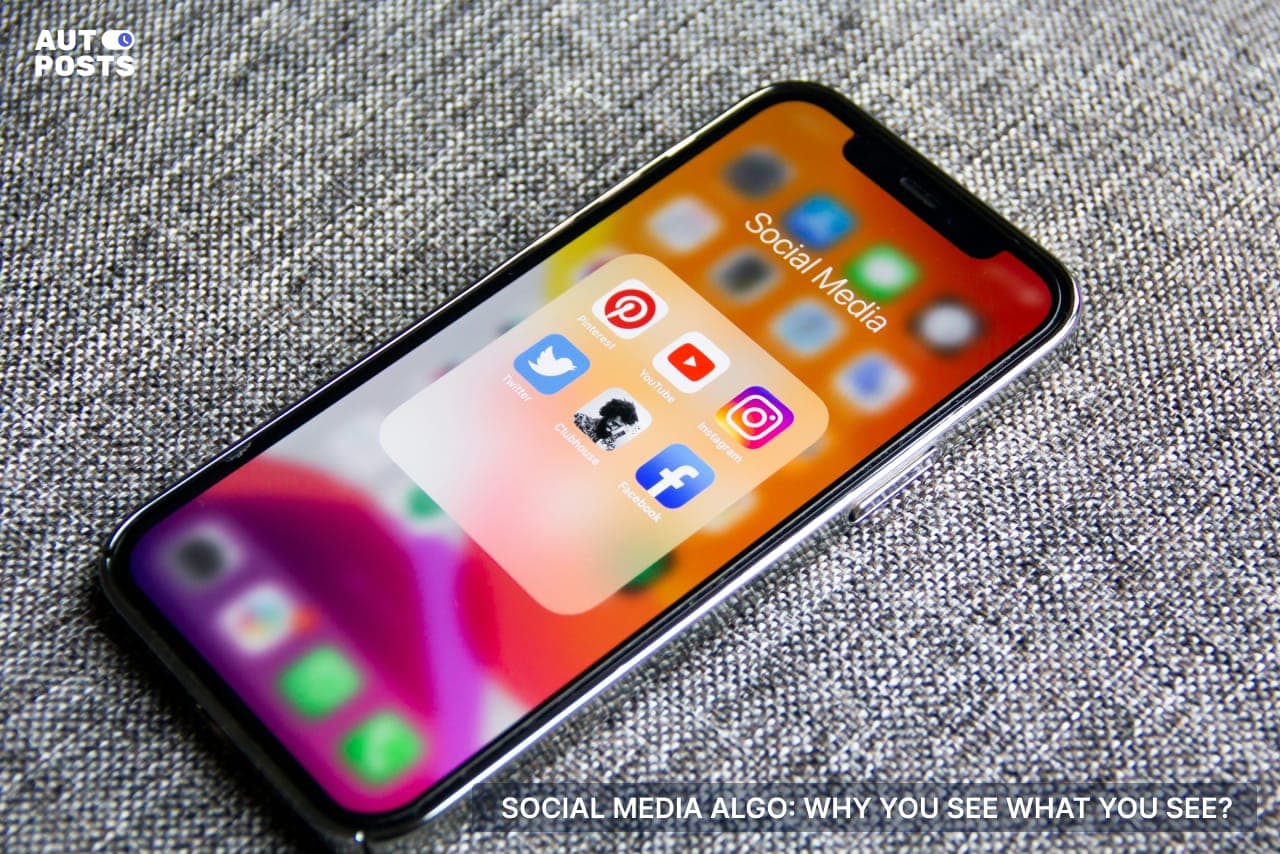
Every day, around 5.24 Billion people use social media, (that’s 63.9% of the total population).
Yet, how come we often see posts on our feed about topics we casually discussed the night before, but businesses struggle to reach the right audience?
The answer is social media algorithms. These algorithms have been designed to match relevant profiles with relevant interests.
However, this doesn’t automatically translate to every social media profile getting recognition from relevant users. That destroys the concept of social media marketing at its roots.
In this article, we’ll break down how these algorithms work, why they prioritize some content over others, and what it means for your online experience.
What Are Social Media Platforms and How They Work?

At their core, social media algorithms are sets of rules and calculations that determine what content appears on your feed. They usually have:
Data Collection:
Every action you take such as likes, comments, shares, watch time, and searches feeds into a platform’s massive database.
Even passive behavior, such as how long you hover over a post, helps shape your feed.
Algorithmic Processing
Platforms analyze this data using AI-driven algorithms to predict what content will keep you engaged.
These algorithms use machine learning to refine their recommendations based on your evolving behavior.
Content Distribution
Once the algorithm determines your preferences, it ranks and delivers content accordingly. This is why some posts go viral while others fade.
When it comes to working, each platform has its own unique algorithm:
-
Facebook favors content from friends, family, and groups, prioritizing meaningful interactions.
-
Instagram ranks posts based on engagement, recency, and your relationship with the poster.
-
TikTok relies heavily on watch time, interaction history, and content similarity to tailor its For You page.
-
X (formerly Twitter) balances recency with engagement, surfacing tweets that generate discussions.
-
YouTube suggests videos based on watch history, search behavior, and user retention.
How To Design Your Social Media Algorithm: Watch What You Love!

Even when you’re getting the wrong recommendations, you have more control over your feed than you think!
Social media algorithms adapt to your behavior, meaning you can train them to show more of what you love and less of what you don’t.
Here are six powerful strategies to take charge of your feed:
1. Like, Comment, and Share What You Love:
Social media platforms are always tracking your likes, comments, shares, and even how long you watch a video.
To shape your algorithm, interact more with the content you enjoy. Hit the like button, comment on posts, and share videos that match your interests. The more you engage, the more similar content you'll see.
2. Use ‘Not Interested’ and ‘Hide Post’ Features
Most social media platforms let you fine-tune your feed by removing unwanted content. On TikTok, tap “Not Interested” to stop seeing certain types of videos.
On Facebook and Instagram, you can hide posts and tell the platform why. Although it won’t just work when you hide a post one time but doing it 5-6 times, teaches the algorithm about your watching habits.
3. Follow and Subscribe to the Right People
The accounts you follow strongly influence your feed. Follow creators, influencers, and pages that post content you love.
For example, if you’re watching a video on YouTube, clicking the “Subscribe” button and watching those channels frequently helps YouTube understand your interests.
4. Search for Content You Want to See More Of
Your search history affects recommendations. If you want to see more travel vlogs, search for travel content regularly. Instagram, YouTube, and TikTok suggest content based on what you look for.
5. Spend More Time on High-Quality Content
Time spent on a post or video is a major ranking factor in most algorithms. If you watch an entire 10-minute video, the platform assumes you love that type of content. Try staying on your favorite posts for a longer time, watching full videos, and reading longer captions for topics you enjoy.
6. Engage With Multiple Formats
Algorithms favor users who engage across different content types. If you want more photography content, like and comment on Instagram posts, watch reels, and save posts.
On YouTube, engage with both long-form videos and Shorts. This signals that you enjoy a topic and want more of it.
How To Use Social Media Algorithms To Your Advantage: 8 SMM Secrets You Must Know!

Why fight against social media algorithms when you can use them to push your content to new heights?
Gary Vaynerchuk, a prominent social media marketing expert said:
"Ride this wave or put your head in the sand and let it kill you."
Here are seven powerful strategies that can help you work with the algorithm.
1. Post When Your Audience Is Most Active
Algorithms want fresh and relevant content. Posting at the right time ensures your content gets immediate engagement, signaling to the algorithm that it’s valuable.
Here’s how you can do it.
-
Use platform analytics to find peak activity hours (e.g., Instagram Insights, Facebook Page Analytics).
-
Test different times and track performance over weeks.
-
For platforms like TikTok and Instagram, evenings and weekends often work best, while LinkedIn performs better on weekday mornings.
Pro Tip: Engagement in the first 30–60 minutes matters. Post when your audience is ready to interact.
2. Master the Art of Hooking Your Audience
Social media platforms reward content that keeps people engaged. The first 3–5 seconds will determine if someone will stay or scroll away.
You can hook your audience by:
-
Starting with a strong hook. Ask a question, make a bold statement, or show an eye-catching visual.
-
Using captions. The first line should grab attention and make people curious.
-
Getting straight to the point and avoiding long intros on video platforms.
Pro Tip: Short-form videos (TikTok, Reels, Shorts) perform best when looped or rewatched.
3. Get Meaningful Engagement
Not all engagement is equal. Algorithms prioritize quality interactions like comments, saves, and shares over just likes.
If you’re building a social brand, ask engaging questions in captions to encourage responses. Use CTAs like “Drop a 🔥 if you agree!” or “Tag a friend who needs to see this!”
4. Jump Into Trends Without Losing Brand Identity
Trending topics and challenges get a boost from algorithms, but blindly following trends can dilute your brand.
For example, if your brand jumps into a religious or war trend, the cancel culture won’t wait too long to make you a target. The best idea is to first research relevant trends and then jump in early.
You can do this by watching TikTok’s “Trending” section and hashtags on X. The first 24 hours of a trend are very important for engagement.
5. Optimize for Search (SEO for Social Media)
Social media is becoming a search engine, especially Instagram, TikTok, and YouTube. Write keyword-rich captions: Instead of “New blog post!”, say “5 Instagram growth hacks for small businesses”. Add a decent bio that converts viewers into customers.
From AutoPost.io’s Guide to Instagram Bio Hacks:

6. Keep Your Content Fresh with Different Formats
Think about your social media habits.
Do you only scroll through photos, or do you engage with videos, carousels, and text posts too?
Most people don’t consume content in just one way, and algorithms have noticed that as well.
A study by Marketing Charts found that Instagram carousels generate the highest engagement rates (1.92%) compared to single images (1.74%) and videos (1.45%).
Alternate between videos, carousels, and static posts to keep your audience engaged. Stories and Reels help you stay on top of feeds, while live streams encourage real-time interaction.
The more you experiment, the more you’ll see what your audience prefers.
7. Show Up Regularly (But Don’t Overdo It)
Posting frequently signals to the algorithm that you’re an active creator, but flooding your audience with low-quality posts does more harm than good.
On Instagram, you need quality content with consistent posting to go viral. On TikTok, creators who post daily (even with low quality) are more likely to go viral because the platform thrives on fresh content.
The key here?
Research your platform and find a balance. Posting three high-quality posts per week is far better than posting every day with little thought.
Pro Tip: Spare 50% more time for creativity and brand engagement by letting AutoPost.io schedule/plan/upload your posts with just 1 click!
Wrapping It Up:
Social media algorithms may seem complex, but once you understand how they work, you can use them to your advantage.
The secret to engagement is strategy and consistency.
Keep experimenting with different content formats to see what resonates with your audience. Post consistently but never at the cost of quality. 3-5 solid posts a week will always outperform daily low-effort content.
At the end of the day, algorithms reward what people love.