SMM Campaigns The 10 Best Performing Post Formats We’ve Tested This Year
Most brands are stuck in the Zero-Reward-Posting-Loop.
The SMMs keep posting consistently but see flat engagement, little reach, and zero ROI.
The problem isn’t effort. It’s format.
The right post format can 3x your performance, even with the same message.
After managing campaigns across industries and testing hundreds of variations, we identified the 10 post formats that consistently outperform everything else.
These aren’t trends or recycled “hacks” - they’re strategies we’ve tested firsthand on our own pages across LinkedIn, Instagram, and X.
Let’s get started!
The 10 Best Performing Post Formats We’ve Tested This Year: Explained With Reasons!
1. Carousel Posts with a Narrative Hook (LinkedIn & Instagram)
This format transforms a standard carousel into a compelling story. Instead of listing tips or facts, it begins with a captivating hook that draws the reader into a narrative, unfolding slide by slide.
Each slide reveals a part of the story, building anticipation and engagement.
Why It Works
Narrative-driven carousels tap into the human love for stories, making content more relatable and memorable. They encourage users to swipe through each slide, increasing time spent on the post and boosting engagement metrics.
Real-Time Example

Beehiiv's Valentine's Day Carousel:
Beehiiv, an email newsletter platform, created a Valentine's Day-themed carousel on LinkedIn.
Without having a huge followers list, Beehiv resonated with its audience, earning 85 reactions, 21 comments, and 10 reposts.
The master plan?
Aligning their content with a widely recognized theme made it more relatable and shareable.
2. Mini Case Study Post (LinkedIn)
These posts break down a real customer or internal success story in under 150 words. They briefly outline the problem, the action you took, and the result.
Unlike lengthy whitepapers, mini case studies are bite-sized and shareable, ideal for busy professionals scrolling LinkedIn.
Why It Works:
People trust outcomes over opinions. Mini-case studies offer social proof and back up your positioning with data or outcomes.
Ideal Structure for a Mini Case Study Post
| Section | Description |
|---|---|
| Problem | What challenge were you or the client facing? |
| Action | What steps did you take to solve it? |
| Result | What quantifiable outcome was achieved? |
| CTA (Optional) | Prompt engagement or direct action |
3. “Hot Take” with Friction (LinkedIn or X)
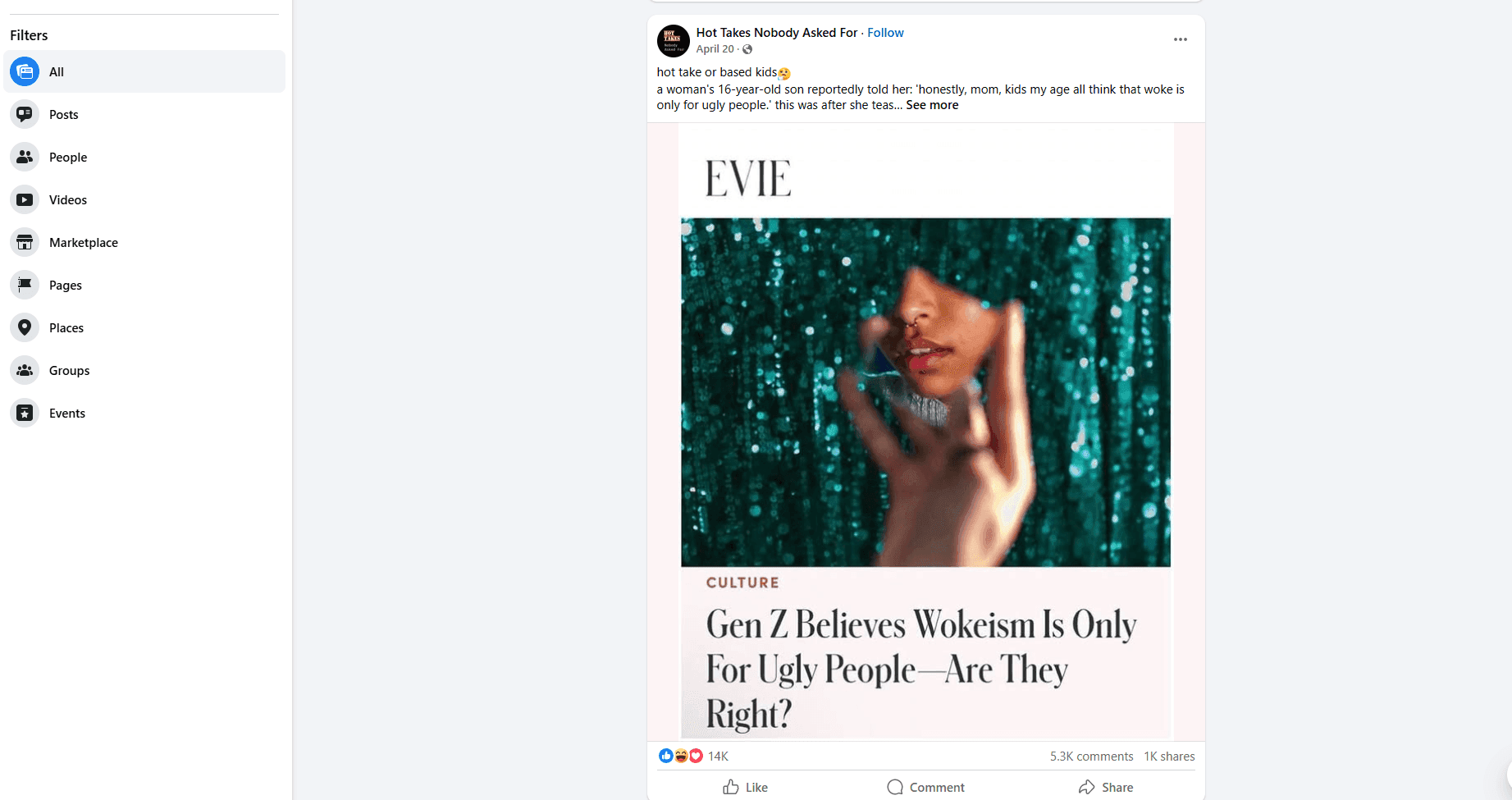
A raw opinion post where you state a bold stance or challenge a popular belief. These often include a hook in the first line, a counter-narrative in the body, and a conversational CTA like “Agree or disagree?”
Why It Works:
Hot takes fuel debate, which boosts algorithmic reach. They position you as someone with conviction, not just a content recycler.
Pro Tip:
Avoid being polarizing for its sake. Instead:
-
Take a niche belief your industry accepts as fact
-
Poke at its weakness or challenge the logic
-
Use data or a unique angle to back it up
4. Behind-the-Scenes (BTS) Photo Drop (Instagram & LinkedIn)
BTS posts share raw moments from your team’s workflow, events, or everyday ops. Unlike polished marketing assets, BTS content shows your human side about how you operate, think, and collaborate.
Why It Works:
Authenticity builds trust faster than polish. And people connect with people, not logos.
Performance Snapshot Format
Here’s a sample caption formula you can reuse:
Photo Context → What’s happening in this image?
What It Shows → Why is this worth sharing?
Subtle Value Nugget → A behind-the-scenes takeaway
Light CTA → Ask a related question to prompt engagement
“A snapshot from last week’s sprint retrospective. We found a 2-day bottleneck caused by overlapping dependencies, fixed with a 15-minute Slack protocol. How often do you review internal ops?”
5. Poll + Insight Post (LinkedIn)
First, you run a poll on a relevant topic. A few days later, you follow up with a post analyzing the results and offering your take on what they reveal.
Why It Works
Polls are irresistible for low-friction engagement. And insights from polls give you a non-obvious edge: original data.
6. Carousel Posts with “Save-Worthy” Tips (Instagram & LinkedIn)
These multi-slide posts deliver tactical tips in sequence, usually around a single theme like “How to Write Better Hooks” or “5 Lead Magnet Ideas That Convert.”
Each slide adds standalone value while building curiosity.
Why It Works:
Carousels reward curiosity and attention. And platforms love content that keeps users swiping.
Bonus: The “save” feature boosts visibility in most algorithms.
Carousel Blueprint for High Saves
| Slide # | Purpose |
|---|---|
| 1 | Hook headline (“Stop Writing Weak CTAs”) |
| 2–5 | Actionable points (1 per slide) |
| 6 | Summary slide or quick checklist |
| 7 | CTA (“Save this for your next campaign”) |
Keep the text minimal. Design matters, use bold typography and consistent brand colors.
7. 30-Day Challenge Format (Instagram, TikTok, or Twitter/X)
You set a theme, like “30 Days of Copywriting Tips” or “30 Startup Lessons in 30 Days,” and post one short, valuable insight every day. This format is sticky and bingeable when done right.
Why It Works:
Daily challenges build habit loops. Followers come back for day-by-day content and start associating your brand with consistency and value.
Pro Tip:
Announce the challenge with a pinned post and a branded hashtag (e.g., #30DaysOfPitching). This lets people explore past posts and helps you track UGC if others join in.
8. “X vs Y” Comparison Post (LinkedIn & Twitter/X)
These posts contrast two strategies, tools, or beliefs, helping users choose between them.
For example., “SEO vs Paid Ads” or “Short-Form vs Long-Form Copy.” You don’t just declare a winner, it’s education.
Why It Works:
Comparison content taps into decision-making moments. It simplifies complex topics and provides instant clarity.
Real-Time Example:

Neil Patel's Experiment: Short-Form vs. Long-Form Video Content
In a LinkedIn post titled "Short-form vs long-form video content", Neil Patel shared insights from an experiment.
The post highlighted that while short-form videos are effective for capturing initial attention, long-form videos are better at retaining information and driving conversions.
This post sparked amazing engagement, including over 500 likes and more than 100 comments, showing the resonance with the audience
9. “Myth-Busting” Post (Youtube, LinkedIn, or Instagram)

This format debunks popular misconceptions in your industry. It often starts with a myth as the hook, then uses logic, experience, or data to bust it, concluding with what to do instead.
Why It Works:
People love to be corrected when it’s done constructively. Myth-busting also builds authority and increases shares.
Mini Framework: 3-Step Myth-Buster
-
Hook – “Everyone says [myth], but here’s what they miss.”
-
Break – Offer a story, stat, or insight that contradicts it.
-
Build – Show what’s actually true, and how to act on it.
Try this structure in carousels or reels for maximum impact.
10. “From the Comments” Post (Twitter or LinkedIn)
You turn a powerful comment from your previous post into its own standalone piece of content.
Quote it, give it context, and expand with your perspective.
Why It Works:
It validates community voices. Plus, it’s a clever form of content recycling that deepens engagement with active followers.
Point To Ponder:
Plus, most SMMs might think about what type of content would work best when repurposed?
Short answer: Anything insightful, counterintuitive, or emotionally resonant. Look for disagreement (handled respectfully), follow-up questions, or mini-case studies.
Wrap-Up:
And there you have it, our top 10 post formats that moved the needle in our social media campaigns this year.
From high-performing carousels to debate-sparking comparison posts, each format earned its spot by delivering real engagement, real conversations, and real results.
But remember: no format is a silver bullet. What works is matching the right message to the right medium and doing it consistently. Great content doesn’t just follow a formula… It follows your audience.
Test boldly. Double down on what clicks. And don’t be afraid to ditch what doesn’t.
In the end, the best-performing content is the post that provides the most value. So keep your strategy rooted in clarity and connection.